
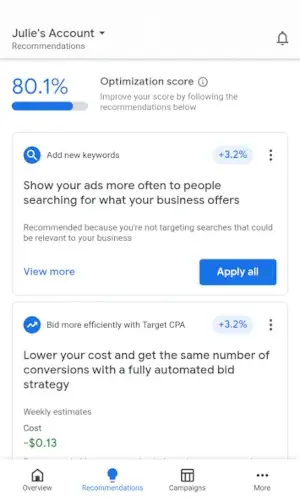
Google Ads is a powerful online advertising platform that allows businesses to create and manage campaigns across search results, websites, videos, apps, and shopping listings within Google’s vast and continuously expanding network.

Google Ads gives businesses the ability to connect with potential customers in real time, optimize campaigns based on performance data, and scale marketing efforts efficiently without relying on traditional advertising methods that lack precision and measurable outcomes.
Overview of Google Ads
What is Google Ads?
Google Ads is a comprehensive digital advertising platform developed by Google LLC that enables businesses to promote products and services through paid placements across Google Search, YouTube, partner websites, and mobile applications, creating a unified system for reaching users across multiple digital touchpoints.
Core Purpose
The platform is designed to help advertisers reach highly targeted audiences, generate qualified traffic, drive meaningful conversions, and measure performance through detailed analytics and reporting tools, all while maintaining flexibility in budgeting, campaign structure, and strategic goals.
Who It’s For
Google Ads is used by a wide range of users, including small businesses looking for local visibility, large enterprises managing global campaigns, marketing agencies optimizing client accounts, e-commerce stores driving product sales, and individual entrepreneurs who want to promote their offerings with measurable and scalable results.
Primary Use Case
The main use case of Google Ads is to create targeted advertising campaigns that appear when users search for relevant keywords, browse content across the web, or watch videos, allowing businesses to capture existing demand, influence decision-making, and guide users toward specific actions such as purchases, sign-ups, or inquiries.
Google Ads Key Features
Campaign Variety
Google Ads supports a wide range of campaign types, including search, display, video, shopping, app, and Performance Max campaigns, which gives advertisers the flexibility to choose the most effective format and placement based on their specific marketing objectives and audience behavior.
Keyword Targeting
Advertisers can target specific search terms that users actively enter into Google, allowing ads to appear precisely when there is clear intent behind a query, which significantly increases relevance, engagement, and the likelihood of conversion.
Audience Targeting
The platform provides advanced targeting options based on demographics, interests, browsing behavior, geographic location, language preferences, and device usage, enabling businesses to refine their campaigns and focus their budget on the most valuable segments.
Bidding Strategies
Google Ads offers multiple bidding strategies such as manual cost per click, target cost per acquisition, and return-on-ad-spend optimization, allowing advertisers to align their spending approach with their business goals while maintaining control over campaign efficiency.
Ad Extensions
Extensions such as sitelinks, call buttons, structured snippets, location details, and additional text enhance the visibility of ads, provide more context to users, and improve click through rates by offering multiple ways to interact with the ad.
Quality Score and Ad Rank
Google evaluates ads based on factors such as relevance, expected click through rate, and landing page experience, which together determine the Quality Score and ultimately influence ad placement, visibility, and cost within the auction system.
Performance Analytics
Comprehensive reporting dashboards provide detailed insights into key metrics such as clicks, impressions, conversions, and return on investment, allowing advertisers to continuously analyze performance and make informed decisions.
AI and Automation
Modern Google Ads includes advanced AI-powered tools that assist with bidding, audience targeting, ad creation, and optimization, helping advertisers manage campaigns more efficiently while improving performance through machine learning and predictive insights.
How Google Ads Works
Basic Workflow
The typical workflow involves creating a campaign, selecting a target audience, defining keywords or placements, setting a budget and bidding strategy, launching ads, and then monitoring and optimizing performance based on real-time data and measurable results.
Advertising Flow
Advertisers begin by defining clear goals, then choose appropriate targeting methods, design compelling ad creatives, and enter an auction system where Google determines which ads to display based on a combination of bid value and ad quality.
Optimization Loop
After a campaign is launched, it enters a continuous optimization cycle where performance data is analyzed, bids are adjusted, ad variations are tested, and targeting is refined in order to improve results and maximize return on investment over time.
Auction System
Google Ads operates on a real time auction model in which every search query or ad impression triggers a competition among advertisers, with final placement determined not only by how much an advertiser is willing to pay but also by how relevant and useful the ad is to the user.
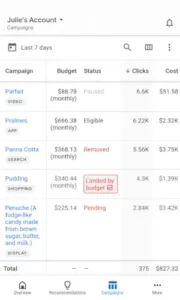
Google Ads Graphics and Design
Interface Style
Google Ads uses a data-driven dashboard interface that emphasizes charts, tables, performance summaries, and actionable insights rather than visual elements designed for casual browsing, making it highly functional for professional use.
Navigation Structure
The platform is organized into clearly defined sections such as campaigns, ad groups, keywords, and ads, supported by side navigation menus and reporting panels that allow users to move efficiently between different areas of campaign management.
Design Philosophy
The overall design prioritizes functionality, precision, and control, ensuring that advertisers have access to detailed information and tools that enable them to make informed, data-backed decisions quickly and effectively.
User Experience
While the interface is powerful and flexible, it can feel complex for beginners due to the wide range of features and settings available, which means users often need time, experimentation, and learning to fully understand and leverage the platform’s capabilities.
Google Ads Similar Apps
When exploring alternatives to Google Ads, several other advertising platforms offer comparable capabilities, although each one approaches targeting, audience engagement, and campaign management in slightly different ways depending on its core ecosystem and user base.
Microsoft Advertising provides a similar search-based advertising experience, allowing businesses to place ads on Bing and partner networks, which can be particularly useful for reaching audiences that may not be as active on Google while often benefiting from lower competition and cost-per-click rates.
Meta Ads Manager focuses heavily on social media advertising across Facebook and Instagram, offering highly detailed audience targeting based on user behavior, interests, and engagement patterns, which makes it especially effective for brand awareness and visually driven campaigns.
TikTok Ads Manager is designed for short-form video promotion and is particularly strong in reaching younger audiences through engaging, algorithm-driven content that blends naturally into the user experience.
Amazon Ads is centered around product-based advertising within the Amazon marketplace, making it highly effective for e-commerce businesses that want to promote listings directly at the point of purchase intent.
LinkedIn Ads specializes in professional and B2B targeting, allowing advertisers to reach users based on job roles, industries, and company data, which makes it ideal for business-focused campaigns such as lead generation and recruitment.
Google Ads User Reviews and Feedback
Positive Feedback
Users often highlight Google Ads for its massive global reach, highly precise targeting capabilities, and its ability to generate measurable and scalable results, especially when campaigns are carefully structured and continuously optimized based on performance data. Many advertisers appreciate the level of control the platform provides, as well as the depth of analytics that allows them to understand exactly how their campaigns are performing.
Popular Use Cases
Common use cases include lead generation for service-based businesses, e-commerce sales through shopping and search campaigns, brand awareness initiatives using display and video ads, app promotion campaigns targeting mobile users, and local business advertising that helps companies reach nearby customers at the exact moment they are searching for relevant services.
Criticism
Some users find the platform challenging due to its steep learning curve, the increasing level of competition across many industries, and the complexity of managing costs effectively, particularly for beginners who may not yet understand bidding strategies, keyword optimization, or campaign structure. Additionally, the need for ongoing testing and optimization can make it time consuming for those without dedicated marketing expertise.
Overall Reputation
Despite its complexity, Google Ads is widely regarded as one of the most effective and powerful digital advertising platforms available today, offering unmatched scale, flexibility, and performance tracking capabilities that enable businesses of all sizes to reach their target audiences and achieve meaningful marketing results.
FAQ
What is Google Ads and how does it work?
Google Ads is an online advertising platform developed by Google LLC that allows businesses to create targeted campaigns that appear on search results, websites, YouTube, and apps. It works through a real-time auction system where ads are shown based on relevance, bid amount, and quality.
Where can I find the Google Ads download?
Download Google Ads from the Official Google Play Store
Is there an official website for Google Ads?
Yes, the official platform can be accessed here: https://ads.google.com
This is where you create campaigns, manage ads, track performance, and access all tools.
Where can I learn more about Google Ads and how to use it?
For deeper learning and documentation, you can explore:
- Google Ads Help Center: https://support.google.com/google-ads
- Google Ads Wikipedia: https://en.wikipedia.org/wiki/Google_Ads
- Google Ads Community: https://support.google.com/google-ads/community
Is Google Ads suitable for beginners?
Google Ads can be used by beginners, but it requires some learning to fully understand targeting, bidding, and optimization. With practice, tutorials, and experimentation, it becomes a powerful tool for driving traffic and generating results.