
Pokémon Friends is a cozy puzzle game developed by The Pokémon Company that combines brainteasers, collectible plush crafting, room decoration, and daily progression systems into one accessible experience.

Pokémon Friends gameplay loop revolves around completing short puzzle challenges that reward yarn and crafting materials. These materials can then be used to create Pokémon plush collectibles, which become part of a growing decorative and collection system. Players are encouraged to return daily, complete new challenges, and continue expanding their personalized spaces.
Designed around short and relaxing play sessions, Pokémon Friends fits comfortably into everyday routines. The structure avoids overwhelming players with long commitments, making it ideal for quick breaks, family play, or quiet evening gaming sessions. The experience prioritizes comfort, routine, and gentle progression over intensity or competition.
One of the game’s standout elements is its plush collection mechanic. Players are not only solving puzzles but also working toward building a unique inventory of Pokémon plushes that can be displayed, gifted, or used for room customization. This adds a satisfying long term goal that complements the relaxing pace of gameplay.
Overview of Pokémon Friends
What is Pokémon Friends?
Pokémon Friends is a cozy Pokémon themed puzzle game designed around relaxation, creativity, and collectible progression. Rather than following the franchise’s traditional battle based structure, the game introduces a slower and more comforting experience focused on solving puzzles and crafting adorable Pokémon plush collectibles.
At its core, the game connects puzzle solving with reward based crafting systems. Players complete small brainteasers to earn materials, which can then be used to create plush versions of Pokémon characters. This creates a satisfying cycle where progress feels tangible through visible collectibles and customization options.
The game also includes daily progression mechanics that encourage returning regularly. Instead of requiring long sessions, Pokémon Friends rewards consistent participation through small goals, unlocks, and collection milestones. This structure supports a relaxed pace that feels approachable for players who prefer gradual progression.
Perhaps most importantly, Pokémon Friends represents a departure from traditional Pokémon gameplay. There are no gym battles, complex combat systems, or competitive rankings. Instead, the focus shifts toward calm engagement, creativity, and cozy collection systems that appeal to a wider audience.
Core Purpose
The primary goal of Pokémon Friends is to deliver relaxing puzzle gameplay that players can enjoy without pressure. Each activity is designed to feel gentle, approachable, and rewarding, allowing players to unwind while making gradual progress.
The game also encourages creativity through decoration and collection mechanics. Players can arrange plushes, personalize rooms, and create visually pleasing spaces that reflect their preferences. This adds emotional ownership to progression.
Daily puzzles provide light mental stimulation, encouraging players to engage their logic and pattern recognition skills in a calm environment. The experience balances challenge with accessibility, ensuring puzzles remain enjoyable rather than frustrating.
Finally, Pokémon Friends aims to create a family friendly Pokémon experience that can be shared across generations. Its simplicity and welcoming presentation make it suitable for children while still offering enough progression to maintain long term interest.
Who It’s For
Pokémon Friends is designed for Pokémon fans who want a more relaxed alternative to traditional adventure or battle focused games. Players who enjoy the Pokémon universe but prefer comfort driven gameplay may find the experience especially appealing.
The game is particularly suitable for children and younger audiences because of its approachable mechanics and colorful presentation. Puzzle solving introduces gentle mental engagement without demanding advanced gaming skills.
Puzzle game enthusiasts may also appreciate the wide variety of challenges available throughout the experience. Since progression revolves around solving increasingly varied brainteasers, players who enjoy logic-based gameplay will likely remain engaged.
Cozy game fans represent another major audience. Those who enjoy decorating, collecting, and relaxing progression systems will find familiar mechanics that align with other comfort focused titles.
Casual mobile gamers benefit from the short session design, making it easy to pick up and play during small breaks. Players who enjoy collection mechanics and customization systems also have strong reasons to return daily.
Pokémon Friends Key Features
Daily Puzzle Gameplay
Pokémon Friends centers around short brainteasers designed specifically for daily interaction. The puzzle system avoids overwhelming complexity and instead encourages consistent engagement through manageable challenges.
Routine-based progression creates a comfortable habit loop where players return regularly for fresh puzzles and rewards. The pacing supports relaxation rather than urgency.
Large Puzzle Library
The game includes a large collection of puzzles, reportedly exceeding 1,200 unique challenges. This variety helps maintain freshness and prevents repetition from becoming too noticeable.
Different puzzle categories introduce varied gameplay mechanics, ensuring players encounter multiple forms of problem-solving rather than relying on one repetitive formula.
Plush Crafting System
Puzzle completion rewards yarn, which serves as the core crafting material within Pokémon Friends. Players use these resources to create Pokémon plush collectibles.
Crafting provides visible progression and creates excitement through unlockable plush variations.
Room Decoration
Players can personalize rooms by arranging plush displays and decorative elements. This feature transforms collections into interactive visual spaces rather than static inventories.
Decoration mechanics encourage experimentation and self expression.
Gift System
Plushes can also be gifted to town residents, adding light social interaction and progression layers. These interactions may unlock additional rewards or strengthen gameplay goals.
Difficulty Options
The game supports multiple challenge levels, allowing beginners to enjoy accessible puzzles while offering more difficult options for experienced players.
Multiple Save Files
Multiple profiles allow family members to maintain separate progress, making Pokémon Friends especially useful for shared household gaming.
Free to Play Structure
The game supports mobile accessibility through a free to play structure while offering optional content expansions.
Cozy Pokémon Presentation
Soft visuals, calm sound design, and comfort focused pacing create a relaxing Pokémon experience that prioritizes atmosphere over competition.
Pokémon Friends Game Mechanics
Core Gameplay Loop
The primary loop follows a simple but satisfying structure: solve puzzles, earn rewards, craft plush Pokémon, decorate spaces, unlock progression, and repeat.
Puzzle Mechanics
Players encounter various logic focused challenges including line drawing, path creation, block movement, and pattern solving activities.
Reward System
Puzzle completion grants yarn and crafting materials, reinforcing progression through consistent rewards.
Plush Creation
Collected materials convert into plush collectibles that expand the player’s inventory and long-term collection.
Decoration System
Rooms can be personalized using crafted plushes and layouts, creating a creative sandbox element.
Progression Design
Daily tasks and gradual unlock systems encourage repeated engagement.
Difficulty Scaling
Players begin with approachable challenges before progressing toward more advanced puzzles.
Pokémon Friends Graphics and Design
Visual Style
Pokémon Friends embraces a bright, colorful presentation with toy-inspired aesthetics that reinforce comfort and accessibility.
Plush Design
Plush Pokémon maintain recognizable franchise identity while emphasizing softness and collectibility.
Environment Design
Room spaces feel friendly and inviting, encouraging customization and visual experimentation.
User Interface
Menus remain simple, readable, and child friendly, reducing confusion during navigation.
Animation and Presentation
Smooth transitions and gentle movement effects support a relaxing atmosphere.
Accessibility Design
Easy controls and minimal complexity make the experience approachable for players of all ages.
Design Philosophy
Every visual choice supports relaxation, creativity, and self paced engagement.
Pokémon Friends User Reviews
Positive Feedback
Players frequently praise Pokémon Friends for its charming visuals, relaxing atmosphere, and adorable plush collection mechanics.
Popular Use Cases
Many players use the game for daily relaxation, casual puzzle sessions, and collection building.
Criticism
Some criticism focuses on limited daily puzzle access, monetization concerns, repetitive loops, and occasional decoration limitations.
Overall
Reception remains mixed to positive, with strong appreciation from cozy game audiences and casual players.
Pokémon Friends Game Mechanics
Core Gameplay
Pokémon Friends follows a relaxing but structured gameplay loop designed to encourage short, satisfying play sessions. Players begin by solving puzzles that reward yarn, which acts as the game’s primary crafting resource. This yarn is then used to create Pokémon plushies that can be collected, displayed, and gifted to residents within the game world.
As players continue progressing, they unlock new plush designs, expand decorative possibilities, and deepen interactions with town characters. The cycle of puzzle solving, crafting, decorating, and social interaction creates a steady rhythm that feels rewarding without becoming overwhelming. Because progression unfolds gradually, players are encouraged to return daily to discover new puzzle sets, unlock additional rewards, and continue growing their collection.
Puzzle Solving System
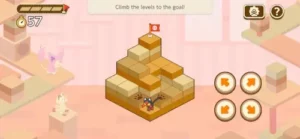
The puzzle solving system forms the foundation of Pokémon Friends and delivers the primary gameplay challenge. Rather than relying on fast reactions or competitive mechanics, the game focuses on logic, observation, and pattern recognition. Players encounter a variety of puzzle types that keep the experience fresh and mentally engaging.
Puzzle categories may include path building tasks, sequence recognition, line drawing challenges, block movement puzzles, and logic-based arrangements. Each puzzle encourages careful thinking rather than speed, making the game approachable for younger players while still offering enough complexity to entertain experienced puzzle fans.
The diversity of puzzle styles prevents repetition and creates a more dynamic experience. Players gradually become familiar with recurring mechanics while also encountering new twists that increase challenge over time.
Yarn Reward Economy
Yarn functions as the central reward currency within Pokémon Friends and connects puzzle completion directly to long-term progression. Every completed puzzle grants yarn, creating a sense of accomplishment even during shorter play sessions.
Rather than serving as a simple collectible resource, yarn becomes the fuel for creativity and progression. Players spend yarn to craft plushies, unlock collection milestones, and continue expanding decorative options. This economy encourages strategic decision-making because players may need to choose between crafting favorite Pokémon plushies or saving resources for rarer designs.
The yarn system creates a satisfying balance between effort and reward. Solving puzzles feels meaningful because each completed challenge directly contributes to expanding the player’s collection.
Plush Crafting Mechanics
Crafting plushies is one of the most charming mechanics in Pokémon Friends. Players convert earned yarn into adorable Pokémon plush collectibles, turning puzzle rewards into visible progression. Each plush adds personality to the collection system and creates a stronger emotional connection to favorite Pokémon.
Different plush styles and variations encourage long-term engagement. Players may unlock themed plushes, alternate appearances, or special designs tied to progression milestones. Crafting becomes more than a simple reward system because it allows players to curate a personalized collection over time.
This mechanic appeals strongly to completionists and Pokémon fans who enjoy collecting rare or visually appealing items. The anticipation of unlocking new plush designs provides strong motivation to continue solving puzzles.
Room Decoration System
Room decoration introduces a creative layer that transforms Pokémon Friends from a simple puzzle game into a cozy customization experience. Players can place crafted plushies within customizable spaces, arranging them to create visually appealing room layouts.
Decoration allows for self-expression because players decide how to organize plush collections, furniture placements, and thematic designs. Some players may prefer minimalist layouts, while others may build colorful Pokémon-themed rooms packed with collectibles.
The decorating mechanic creates a relaxing contrast to puzzle solving. Instead of focusing on challenge, players can spend time experimenting with aesthetics and personalization. This system also gives purpose to collecting plushies, as every crafted item becomes part of a growing visual environment.
Daily Progression Structure
Pokémon Friends is designed around daily engagement rather than marathon play sessions. Players are encouraged to return regularly to solve new puzzles, earn rewards, and continue progressing through a structured daily routine.
This progression model creates consistency without pressure. Daily puzzle sets introduce fresh challenges while rewarding regular participation. Calendar-style progression also helps maintain long term engagement by offering gradual unlocks instead of overwhelming players with too much content at once.
Because the game respects limited playtime, it fits naturally into casual routines. Players can enjoy meaningful progression even during short breaks or quick gaming sessions.
Gift and Town Interaction
Social interaction plays a gentle but important role within Pokémon Friends. Players can gift crafted plushies to town residents, strengthening connections with NPC characters and unlocking additional interactions.
Giving gifts creates a sense of purpose beyond collecting. Plushies become meaningful items that influence relationships within the game world. Residents may react differently depending on what they receive, creating small moments of emotional payoff.
This interaction system adds warmth to progression and encourages players to think about which plushies they craft and share. It also reinforces the cozy atmosphere by making the town feel alive and connected.
Difficulty Scaling
Pokémon Friends balances accessibility with challenge by introducing difficulty scaling across its puzzle systems. Early puzzles are intentionally beginner friendly, helping players learn mechanics without frustration. As progression continues, puzzle complexity gradually increases.
Advanced puzzles may require more strategic thinking, stronger pattern recognition, or longer planning sequences. This scaling ensures that the game remains engaging for players of different skill levels.
By offering multiple challenge tiers, the game avoids becoming repetitive. Newcomers feel comfortable learning the basics, while experienced puzzle players can seek greater complexity.
Session Based Design
Pokémon Friends is intentionally designed for short, comfortable play sessions. Unlike games that demand long commitments, it encourages players to enjoy small moments of progress throughout the day.
Puzzle completion, crafting, decorating, and gifting can all be accomplished within manageable timeframes. This makes the experience ideal for casual gaming habits and portable play.
Session based design also reduces fatigue because players rarely feel pressured to grind or play for extended periods. Instead, the game focuses on relaxation, consistency, and enjoyable daily interaction.
Pokémon Friends Tips and Tricks
Complete Daily Puzzles Consistently
Daily puzzles are one of the most reliable ways to maintain progression in Pokémon Friends. Consistent participation helps players steadily build yarn reserves, which are essential for crafting plushies and unlocking additional content. Even short daily sessions contribute meaningful progress over time.
Returning regularly also increases familiarity with puzzle mechanics and improves long term efficiency. Players who maintain daily habits often unlock collectibles faster and enjoy a smoother progression experience.
Start with Easier Difficulties
Beginning with simpler puzzles allows players to understand core mechanics without frustration. Easier challenges provide a comfortable introduction to pattern recognition, logic systems, and puzzle rules.
Gradually increasing difficulty helps build confidence and encourages learning through repetition. Players who rush into advanced puzzles may feel overwhelmed, while a slower progression path creates a more enjoyable experience.
Target Specific Plush Collections
Rather than spending yarn randomly, players can benefit from focusing on specific plush collections. Building themed groups around favorite Pokémon creates stronger collection goals and makes resource usage more efficient.
Targeted crafting also reduces unnecessary spending, allowing players to prioritize plushies they genuinely want. This strategy helps create more visually cohesive decorative spaces.
Manage Limited Daily Sessions
Because Pokémon Friends is structured around shorter play periods, maximizing each session matters. Prioritizing puzzle completion first ensures steady yarn accumulation before spending time decorating or interacting with NPCs.
Players who use daily attempts wisely often progress faster than those who spread attention too thinly across multiple activities.
Use Multiple Save Files
Multiple save files can be useful for families or players who enjoy experimenting with different design approaches. Separate progress profiles allow users to create unique room layouts, pursue different plush collections, or share the game among household members.
This flexibility supports replayability while keeping progress organized across multiple users.
Decorate Gradually
Room customization becomes more satisfying when approached over time. Instead of rushing to fill every space immediately, players can slowly refine layouts and improve aesthetics as new plushies become available.
Gradual decoration often results in more cohesive and creative designs. Taking time to experiment also makes personalization feel more rewarding.
Explore Puzzle Variety First
Testing multiple puzzle types early helps players identify preferred mechanics. Some may enjoy logic-heavy challenges, while others prefer visual pattern recognition or movement based puzzles.
Understanding which puzzle styles feel most enjoyable can help players engage more deeply with the game and appreciate its full variety.
Increase Difficulty for More Challenge
Once familiar with the mechanics, increasing puzzle difficulty adds replayability and mental engagement. Harder puzzles encourage strategic thinking and provide stronger satisfaction when solved.
Players seeking long term value often benefit from gradually pushing into advanced challenges that improve problem solving skills.
Pokémon Friends Similar Games
| Game | Main Similarity |
|---|---|
| Professor Layton | Story driven puzzle solving with calm progression systems. |
| Big Brain Academy | Casual brain training activities focused on logic and thinking skills. |
| Dr. Mario World | Nintendo style puzzle gameplay built around accessible mechanics. |
| Animal Crossing: Pocket Camp | Cozy customization, collecting, and relaxing progression. |
| Pokémon Café ReMix | Gentle Pokémon themed puzzle gameplay with collection elements. |
These games share similar themes of comfort, creativity, and accessible progression. Players who enjoy relaxing experiences with low pressure and rewarding collection systems may find Pokémon Friends appealing for many of the same reasons.
Pokémon Friends Community
Plush Collection Sharing
Pokémon Friends naturally encourages players to showcase their plush collections and decorative room layouts. Sharing creative arrangements becomes part of the enjoyment, especially for players who appreciate customization and visual expression.
Many players enjoy comparing themed rooms, favorite Pokémon displays, or unique design ideas with others in online communities.
Puzzle Discussions
Puzzle-focused communities often share solutions, strategies, and favorite challenge types. Players discuss which puzzles feel most satisfying, which mechanics are easiest to learn, and how difficulty compares across progression stages.
These discussions help new players understand mechanics while giving experienced players opportunities to share knowledge.
Fan Communities
As part of the broader Pokémon ecosystem, Pokémon Friends benefits from a large and passionate fanbase. Pokémon communities frequently discuss collectible preferences, plush aesthetics, and relaxing gameplay experiences.
The cozy nature of the game attracts players who enjoy casual and wholesome gaming spaces.
Online Platforms
Reddit threads, YouTube impressions, and community forums provide additional spaces for discussion. Players share gameplay tips, room showcases, puzzle advice, and progression experiences.
Online content also helps potential players understand what makes the game appealing before starting.
Family Friendly Appeal
Pokémon Friends works especially well in family environments because of its approachable mechanics and gentle pace. Multiple profiles and easy controls allow younger players to participate comfortably.
Parents and children can share progression, compare collections, and enjoy puzzle solving together.
Casual Community Environment
Unlike competitive multiplayer games, Pokémon Friends supports a relaxed and low-pressure community culture. Discussions tend to focus on creativity, favorite Pokémon, and puzzle enjoyment rather than rankings or performance.
This environment creates a welcoming space for players who prefer positive and comforting social interaction.
Conclusion
Pokémon Friends transforms the Pokémon universe into a cozy puzzle focused experience centered around creativity, collection, and relaxation. Instead of competitive battles or high pressure progression systems, the game emphasizes thoughtful puzzles, plush crafting, and room decoration.
The gameplay loop remains approachable while still offering meaningful long term goals through daily progression and collectible expansion.
One of the game’s biggest strengths is its large puzzle variety, which keeps gameplay engaging across repeated sessions. The plush crafting system creates strong emotional appeal, while decoration mechanics encourage creativity and personalization.
Its accessible design makes it suitable for younger players, casual audiences, and anyone looking for a low stress gaming experience.
Pokémon Friends stands out as a comforting alternative within the Pokémon franchise. By focusing on puzzles, collection systems, and relaxing progression, it offers a slower paced experience that prioritizes enjoyment over competition.
Players who appreciate cozy games, creative customization, and gentle daily routines may find Pokémon Friends especially rewarding. Its combination of charm, accessibility, and collectible appeal makes it an excellent choice for casual audiences seeking a peaceful gaming experience.

FAQ – Pokémon Friends
What is Pokémon Friends and how does it work?
Pokémon Friends is a cozy puzzle experience where players solve brainteasers to earn yarn, craft Pokémon plushies, decorate rooms, and interact with residents in Think Town. The game focuses on daily progression, light puzzle solving, and collectible customization rather than competitive gameplay. It includes more than 1,200 puzzles and supports casual play sessions designed for all ages.
Where can I find a Pokémon Friends download?
Download Pokémon Friends from the Official Google Play Store
Is Pokémon Friends free to play?
The mobile version of Pokémon Friends is available as a free to start experience, although additional content packs and DLC options may expand puzzles, plush collections, and progression systems. The Nintendo Switch version includes a paid base package with additional content available separately.
What makes Pokémon Friends different from other Pokémon games?
Unlike battle-focused Pokémon titles, Pokémon Friends emphasizes relaxation, puzzle solving, plush collecting, and creative decoration. Instead of catching Pokémon or competing online, players solve logic puzzles to craft plush toys and personalize cozy environments. The experience is designed to feel calm, family friendly, and accessible to casual audiences.
Is Pokémon Friends good for children and casual players?
Yes, Pokémon Friends is especially appealing to younger audiences and casual gamers because of its gentle pacing, colorful presentation, and simple mechanics. The game avoids competitive pressure and instead encourages creativity, routine play, and brain-training style puzzle progression. Multiple save files also allow family members to enjoy separate progress profiles.