
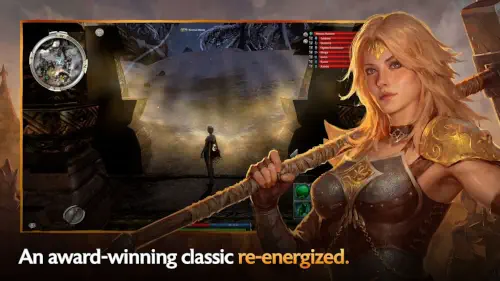
Guild Wars Reforged brings ArenaNet’s classic 2005 MMORPG back into the spotlight with a modernized edition.

Guild Wars Reforged offers an alternative to games built around constant level increases and equipment upgrades. Its combat revolves around choosing a limited set of skills, understanding enemy tactics and assembling a party that works as a team. Instead of relying entirely on reflexes or simply chasing higher damage numbers, players must consider how their abilities interact and how their characters support one another during difficult encounters.
What Is Guild Wars Reforged?
Guild Wars Reforged is a modernized edition of the original Guild Wars, combining its three major campaigns into a single package while preserving the game’s distinctive approach to online role playing. Rather than placing every player in one enormous shared world, it separates social spaces from most combat areas. Players gather in towns and outposts to meet other adventurers, organize parties and prepare their characters before entering instanced missions or explorable regions.
This structure gives Guild Wars Reforged a more deliberate rhythm than many contemporary MMORPGs. A typical session might involve adjusting a skill bar, recruiting heroes, completing a story mission and returning to an outpost to prepare for the next challenge. The focus is on what happens during each encounter and how effectively a team has been prepared, rather than on constantly crossing a crowded open world.
A Different Kind of Online RPG
The game’s ten professions and dual-class system provide extensive opportunities for experimentation. Every character can select a primary profession and a secondary profession, opening up different combinations of skills and tactical roles. With a limited bar of eight active skills, choosing the right abilities becomes an important decision before a mission even begins.
Players can also recruit AI heroes and use henchmen when they do not have a full group of human teammates. This flexibility makes Guild Wars Reforged suitable for people who enjoy cooperative RPG mechanics but do not always want to depend on finding other players for every activity.
ArenaNet and the Origins of the Original Guild Wars
ArenaNet developed the original Guild Wars, which debuted in 2005 and established a different model from many subscription based MMORPGs of its time. Its combination of instanced adventures, skill based character development, competitive modes and a buy to play approach helped distinguish it from online RPGs centered on a continuously shared world.
Guild Wars Reforged builds on that foundation rather than attempting to replace it. The original game’s combat and progression systems remain the main attraction, while the updated edition concentrates on compatibility, interface readability and accessibility for modern players.
For returning players, that means familiar professions, skills, missions and party building decisions. For newcomers, it offers an opportunity to experience an older MMORPG whose strategic depth comes from the interaction between abilities and team roles, not simply from reaching the highest possible level.
What Is Included in the Reforged Edition?
The defining feature of Guild Wars Reforged is its combination of the Prophecies, Factions and Nightfall campaigns in one package. Players gain access to their quests, missions, explorable areas and associated adventures without needing to treat each campaign as a separate purchase.
The edition also includes eight character slots, providing room to experiment with different professions, dual class combinations and character concepts. This is useful for players who want to explore the game’s build system from several angles rather than committing to a single character for the entire experience.
The Original Systems Remain Central
Reforged retains the original game’s profession and skill systems, AI hero and henchman options, instanced PvE content and competitive PvP activities. Its modernization focuses on presentation and usability, including interface improvements, graphics enhancements, controller support and updated environmental audio.
It does not add a brand new campaign or replace the original character models with a completely redesigned visual style. Understanding that distinction helps set realistic expectations: this is the classic Guild Wars experience with modern conveniences, not a full-scale remake.
Guild Wars Reforged Story and Fantasy World
Exploring Tyria and Its Fantasy Setting
Guild Wars Reforged takes players into the fantasy world of Tyria, where exploration, campaign missions and encounters with hostile forces shape the adventure. Rather than relying exclusively on a seamless open world, the game divides much of its experience between social towns and outposts and separate explorable areas. This structure allows each mission or region to feel like a focused adventure, with its own objectives and challenges.
The three included campaigns Prophecies, Factions and Nightfall provide different settings and story experiences within the broader Guild Wars universe. Players can move through quests, encounter new enemies, discover new areas and develop their characters as the campaign unfolds. The world is designed to be explored through a mixture of story progression and optional activities, giving players reasons to revisit areas and pursue objectives beyond the main mission.
A Fantasy World Built Around Missions and Exploration
Tyria’s environments are more than a backdrop for combat. Explorable regions give players space to fight enemies, complete quests, gather rewards and work with their chosen party. Towns and outposts, by contrast, provide places to meet other players, organize groups and prepare for the next expedition.
This combination creates a clear rhythm: prepare in a social hub, enter an adventure, complete its objectives and return to plan the next step. For players who enjoy a classic fantasy MMORPG with instanced missions and cooperative exploration, this structure is one of Guild Wars Reforged’s defining characteristics.
The Prophecies Campaign and Its Adventures
Prophecies represents the original Guild Wars campaign and serves as a natural introduction to the game’s world and mechanics. Its story missions and explorable areas let players become familiar with the relationship between character progression, profession skills and party combat.
As players move through the campaign, they encounter challenges that reward preparation as much as persistence. An effective skill bar and a well balanced party can make a substantial difference when confronting difficult enemies or completing mission objectives. That emphasis on tactical decisions gives the campaign an identity beyond simply moving from one quest marker to another.
Learning the World Through Quests and Missions
The campaign’s structure encourages players to explore at their own pace while following the main adventure. Quests provide additional objectives, while instanced missions offer more focused challenges with specific goals to complete.
For newcomers, Prophecies is an opportunity to understand why Guild Wars has maintained a following among players who value strategic combat. Success depends not only on character level or equipment but also on selecting useful skills and understanding how a party functions together.
Factions: A Different Region and Campaign Experience
Factions broadens the Guild Wars experience with a distinct regional setting and its own campaign. Its inclusion in Reforged means players are not limited to the original adventure; they can also explore another major storyline and encounter a different collection of missions and environments.
The campaign adds variety to the overall package, giving players more places to visit and more opportunities to test character builds. New challenges can encourage changes to skill selection or party composition, especially when a familiar setup is less effective against a particular encounter.
A Reason to Experiment With Different Builds
One of Guild Wars’ lasting strengths is that a character’s abilities can matter more than a straightforward increase in statistics. As players move between campaigns and encounter different challenges, they can revisit their skill bars and adjust their tactics.
Factions contributes to that variety by expanding the range of adventures available in Guild Wars Reforged. For players who enjoy learning the game through different missions rather than repeating one activity indefinitely, its campaign provides another substantial part of the journey.
Nightfall and Its Expansive Campaign
Nightfall completes the three campaign package with another major storyline and a further range of quests, missions and explorable areas. Its presence makes Guild Wars Reforged more than a simple return to the original campaign: players can experience a broader selection of adventures within a single edition.
As with the other campaigns, progress involves more than defeating enemies. Players must prepare for encounters, select appropriate skills and build a party capable of handling the challenges ahead. The hero and henchman systems also provide options for assembling a useful team when a full party of human players is unavailable.
Extending the Adventure Beyond One Storyline
Having three campaigns available creates more room to explore the game’s systems and develop different character approaches. Players can spend time advancing through missions, completing additional quests, or returning to challenges with a revised build.
This breadth is especially attractive to anyone looking for a classic MMORPG with multiple full campaigns and tactical party combat. Rather than depending on a new expansion to provide the next destination, Guild Wars Reforged brings its three major campaigns together as part of the core package.
Guild Wars Reforged Gameplay and Core Mechanics
How the Classic Guild Wars Gameplay Works
Guild Wars Reforged revolves around preparing a character and party, entering a mission or explorable area, completing objectives and returning to a town or outpost to plan the next adventure. The loop is straightforward to understand, but the decisions behind it can become remarkably detailed as players unlock more skills and experiment with different profession combinations.
Before leaving a social hub, players can adjust their eight skill bar, choose equipment and recruit heroes or henchmen. Once inside an instance, they must use those choices effectively against enemies and mission specific challenges. A build that works well in one encounter may need adjustments for another, making preparation an important part of successful play.
Combat Is About More Than Raw Damage
The eight skill limit encourages players to choose abilities with complementary purposes. A useful bar might need damage, defensive options, support or tools for controlling enemies, depending on the character’s profession and the mission ahead. Because every skill occupies a limited slot, choosing one ability means giving up another possible option.
This creates a tactical layer that distinguishes Guild Wars Reforged from many MMORPGs with long action bars and constant ability rotation. Players must consider which skills are worth bringing and how they interact with the rest of the party. Understanding these interactions can be more valuable than simply selecting the abilities with the most impressive descriptions.
Towns and Outposts: Social Hubs for Players
Towns and outposts are the main social spaces in Guild Wars Reforged. Players gather in these locations to meet other adventurers, form parties, trade and prepare for missions. Unlike explorable areas, these hubs are not primarily about fighting enemies; they provide the practical and social tools needed to organize the next activity.
For players who enjoy cooperative content, these locations are where a group can come together before setting out. They also provide a place to reconsider a build, change equipment, or recruit AI companions before entering a challenging instance.
Preparing Before Leaving the Hub
Taking a moment to prepare can make missions smoother. Players can review their skill choices, check that their party has useful complementary roles and make sure they understand the intended objective. This matters because an effective team is not necessarily the one with the highest damage output; it is the one equipped to handle the encounter’s particular demands.
Towns and outposts also help maintain the game’s social identity. Even though much of the combat happens in instanced areas, the hubs provide places for players to interact and build the connections that support group play.
Instanced Missions and Explorable Areas
One of Guild Wars Reforged’s most distinctive features is its use of instanced content. When a party leaves a town or outpost for an adventure, it enters its own mission or explorable instance rather than sharing that combat area with every player in the game.
This structure makes encounters more focused. Parties can work through objectives at their own pace, fight enemies without unrelated groups interfering and concentrate on the challenges designed for that area. It also means the game feels different from an open world MMORPG in which players constantly encounter one another while traveling through shared regions.
How Instanced Adventures Shape the Experience
Instanced missions often revolve around defined objectives, while explorable areas offer room to travel, fight and complete additional activities. Both formats encourage players to think about party composition and skill selection before entering combat.
The structure can be especially appealing to players who prefer organized adventures over open world wandering. Instead of relying on spontaneous encounters alone, Guild Wars Reforged gives players a clear path from preparing a party to tackling a particular challenge.
Solo Play With AI Heroes and Henchmen
Guild Wars Reforged does not require players to rely exclusively on human teammates for PvE content. Henchmen and customizable AI heroes provide ways to fill party slots, making it possible to experience many missions without assembling a full group of other players.
Henchmen offer a straightforward way to add companions, while heroes give players more control over their team’s skills and tactical setup. This distinction is important because hero customization lets players adapt their party to the encounter rather than accepting a fixed set of abilities.
Building a Team Around Your Character
A successful solo oriented party should complement the player’s own build. If the main character focuses on dealing damage, the remaining team may need support and defensive capabilities. If the character already provides valuable support, heroes can be configured to contribute more offensive pressure or other useful functions.
Players can also adjust hero skills between missions. This flexibility makes the system more than a convenience for people playing alone: it is a central part of Guild Wars Reforged’s tactical depth. Learning how to build a team that covers its weaknesses can make challenging encounters much more manageable.
Forming Parties of Up to Eight Characters
Guild Wars Reforged supports parties of up to eight characters in relevant content, allowing players to combine human teammates, AI heroes and henchmen according to the activity and available options. Smaller groups can also tackle content designed for fewer participants, so party size depends on the particular mission or area.
The larger party format creates opportunities for more complex team strategies. Each character contributes a selection of skills and the combined group needs to deal with damage, survival and the specific threats presented by an encounter. A team of individually powerful characters can still struggle if their abilities do not work well together.
Team Synergy Is More Important Than Filling Every Role by Habit
Guild Wars Reforged does not force every profession into a rigid modern tank, damage dealer and healer template. Profession roles can overlap and different builds may provide damage, protection, support, control or other tactical benefits.
That flexibility encourages players to think about what a mission actually requires. Rather than copying one fixed party setup for every activity, they can experiment with skill combinations and adjust their team to match the challenge.
Cooperative PvE Missions and Challenging Objectives
Player versus environment content is a major part of Guild Wars Reforged. Campaign missions, explorable areas, quests and difficult encounters give players a wide range of objectives to pursue, whether they prefer working with friends or relying on AI companions.
Cooperative missions reward preparation and communication. Players need to understand what the group is trying to accomplish and choose skills that contribute to that goal. Some encounters may be easier with stronger defensive tools, while others may reward the ability to eliminate a dangerous enemy quickly or control a group of opponents.
Why Reading the Mission Objective Helps
The most direct route through an encounter is not always the most effective one. Understanding the objective before entering helps players decide which skills and companions to bring. It can also prevent a group from wasting time fighting enemies that are not central to the mission’s success.
For newcomers, learning to match a build to an objective is one of the most useful habits to develop. Guild Wars Reforged rewards players who adapt their approach rather than relying on the same skill bar regardless of the situation.
Hard Mode: Revisiting Maps With Greater Challenges
Hard Mode offers a more demanding way to revisit supported maps and missions. Rather than treating campaign completion as the end of the adventure, players can return to familiar content with tougher challenges that test their builds and party coordination.
The increased difficulty makes preparation more important. A team that performs comfortably in a regular mission may need different skills, stronger coordination, or a more deliberate approach when facing harder encounters.
A Reason to Refine Your Build After the Campaign
Hard Mode gives experienced players a reason to continue experimenting after completing the main storyline. It can reveal weaknesses in a familiar build and encourage players to reconsider the balance between damage, protection and utility.
For anyone who enjoys mastering a tactical RPG system, this additional challenge supports the game’s long-term appeal. The goal is not simply to raise a character’s level, but to make better decisions about how that character and its party approach combat.
PvP Modes and Competitive Team Battles
Guild Wars Reforged also includes pvp activities for those who want to test their builds against human opponents. PvP changes the nature of the challenge because other players can adapt, react and exploit weaknesses in a team’s strategy in ways that predictable AI enemies cannot.
The eight skill bar remains central to the experience. Players must choose abilities that work together while considering how their opponents may respond. A build that performs well against monsters may need adjustments when facing another team with its own combination of offensive, defensive and disruptive skills.
Preparation and Adaptability in PvP
Competitive play rewards an understanding of profession interactions and skill timing. Knowing what a build is designed to do and what can interrupt or counter it helps players make more informed decisions during a match.
PvP is therefore a natural extension of Guild Wars Reforged’s buildcraft philosophy. The same skills and profession combinations that make PvE team-building interesting also provide a foundation for competitive experimentation.
What Makes Guild Wars Reforged Different From Modern MMORPGs?
Guild Wars Reforged stands apart through its combination of instanced adventures, a compact skill bar, flexible dual class characters and AI controlled party members. Rather than making an enormous open world the central feature, it organizes much of the experience around missions and encounters that reward careful preparation.
Its progression system is also distinctive. The level cap of 20 means character development does not revolve around continually increasing levels, while the large skill pool gives players substantial room to refine their builds. Equipment matters, but the game’s identity is closely tied to the tactical choices players make before and during combat.
A Classic MMORPG Built Around Decisions
For players accustomed to modern MMORPGs, the biggest adjustment may be realizing that more abilities or higher statistics do not automatically guarantee success. The eight skill bar forces meaningful choices and the hero system allows players to shape an entire party around a particular strategy.
The instanced structure may also feel different from games built around shared open worlds. Towns and outposts remain social meeting points, while most adventures take place in separate areas designed for a party’s objectives.
These systems give Guild Wars Reforged a clear appeal for players seeking strategic MMORPG combat, flexible character builds and cooperative missions without a monthly subscription. Its modern upgrades improve accessibility, but the lasting attraction remains the original game’s emphasis on preparation, teamwork and tactical depth.
Guild Wars Reforged Heroes, Henchmen and Tactical Party Combat
How the Hero and Henchman Systems Work
One of the most useful features in Guild Wars Reforged is the ability to build a party around AI controlled companions instead of depending entirely on other players. Heroes and henchmen allow adventurers to tackle PvE missions with a team they can assemble before leaving a town or outpost. This flexibility is especially valuable when friends are offline, public groups are difficult to find, or a mission calls for a specific combination of combat roles.
Henchmen provide ready made companions, while heroes offer greater control over party customization. Heroes can be equipped with selected skills, allowing players to shape their contribution to a team and adjust their abilities for different encounters. The distinction matters because Guild Wars Reforged is built around tactical preparation: a party needs more than several characters capable of dealing damage.
Why AI Companions Matter in Guild Wars Reforged
A well-planned AI party can cover weaknesses in the player’s own build, provide additional damage, improve survival and make difficult missions more manageable. It also gives players room to learn the game’s systems without waiting for a full group of human teammates.
AI companions are not a substitute for understanding combat, however. Their usefulness depends on how well the party is assembled and whether its skills suit the challenge. Players who take time to configure their heroes can gain much more from the system than those who simply recruit companions and enter every mission with the same setup.
Recruiting AI Heroes for Your Party
Recruiting heroes allows players to build a more personalized team for Guild Wars Reforged PvE missions. Instead of relying solely on a fixed selection of henchmen, players can choose companions whose skills and roles complement their character. This is particularly helpful when a mission demands a different balance of offense, defense and support from the one used in previous areas.
The best approach is to consider what the party needs before selecting companions. A character focused on direct damage may benefit from heroes that improve survivability or provide support. A character with strong defensive abilities may instead want companions that increase offensive pressure or add useful forms of control.
Choose Heroes for Their Contribution, Not Just Their Availability
An effective hero party should function as a coordinated team. Recruiting several companions that perform similar tasks can leave important weaknesses uncovered, especially during longer encounters or missions with dangerous enemy groups. A more varied team gives players additional ways to respond when a fight becomes difficult.
As players progress, they can experiment with different combinations rather than treating one lineup as universally effective. Guild Wars Reforged rewards this willingness to adapt because party composition directly influences how comfortably a group can handle specific challenges.
Customizing Hero Skills and Combat Roles
Hero customization is one of the most important tools for improving an AI controlled party. Players can select hero skills to support a particular strategy, strengthen the group’s weaknesses and prepare for the demands of a mission. This makes heroes more than extra characters following the player through an instance; they become part of the overall build plan.
The eight skill bar applies significant pressure to these choices. Every skill occupies a limited slot, so a hero’s bar should have a clear purpose rather than being a collection of unrelated abilities. Skills that complement one another can help a hero perform its role more effectively, while unnecessary overlap can leave the party without important tools.
Give Each Hero a Clear Job
When customizing heroes, consider how each companion contributes to the full team. One hero might focus on damage, another might provide support and another might help protect the party or disrupt enemies. The exact setup should depend on the available professions, unlocked skills and the content being attempted.
Avoid assuming that a build which works well for the player’s character will automatically work equally well on every hero. The goal is to create a party in which the individual skill bars support one another. Even small adjustments can make a noticeable difference when an encounter exposes a weakness in the original setup.
Building a Balanced Team for Different Missions
A balanced Guild Wars Reforged party is not necessarily one that follows a rigid tank, damage dealer and healer formula. The game’s professions can contribute in different ways and a useful team is one that has the tools needed for its particular mission. Some encounters may demand stronger damage output, while others reward defensive support, control, or the ability to deal with several enemies at once.
Before entering an instance, consider the likely demands of the objective. If the party already has plenty of damage, adding another similar damage build may offer less value than improving its ability to survive dangerous encounters. Likewise, a team with strong defenses may struggle if it cannot eliminate threats efficiently.
Adjust Party Composition Instead of Repeating One Build
The hero system makes experimentation practical. Players can change companion skills between missions and test different combinations without needing to recruit an entirely new group of people every time their strategy changes.
For players who want to complete missions solo with AI heroes, this flexibility is particularly important. A lineup that performs well in one area may be less effective elsewhere, so learning to identify gaps in the party is a valuable skill. Instead of blaming difficulty on character level alone, examine whether the team’s skills and roles match the encounter.
Combining Your Character’s Build With Hero Skills
Your own character should be the starting point for party planning. Guild Wars Reforged gives players access to a broad skill pool and a dual class system, making it possible to build characters with different strengths. The heroes accompanying that character should complement those strengths rather than simply duplicate them.
For example, a character built around dealing damage may benefit from companions that provide additional support or defensive coverage. A character focused on helping the party survive may need heroes that bring enough offensive pressure to finish encounters efficiently. These are strategic principles rather than fixed templates: the best combination depends on the skills available and the challenge ahead.
Make Every Skill Bar Work Toward the Same Goal
The eight skill limit encourages deliberate decisions. Each character has to select a compact set of abilities, so a party becomes stronger when those individual selections combine into a coherent strategy. Skills that provide overlapping benefits may be less useful than abilities that cover a gap in the team’s capabilities.
When a build underperforms, review the party as a whole before replacing every skill. Ask whether the team lacks damage, struggles to survive or has difficulty handling a particular enemy type. This approach helps players make targeted improvements and understand why a new combination works better.
Adapting Your Party to Enemy Types and Mission Objectives
Guild Wars Reforged encourages players to change their tactics according to the enemies they face and the objectives they need to complete. A skill bar that works in one mission may not be ideal for another and the same is true of a hero lineup. Successful preparation means thinking about the encounter instead of assuming that one familiar build will handle every situation.
Mission objectives deserve particular attention. If the goal requires reaching a destination or completing a specific task, spending too much time fighting unnecessary enemies can slow progress. In a difficult encounter, meanwhile, the party may need more protection, stronger damage, or skills suited to controlling dangerous opponents.
Review What Went Wrong After a Difficult Encounter
When a mission proves harder than expected, use the result to identify a specific weakness. If companions fall quickly, consider whether the party needs better defensive support. If enemies survive too long, look for opportunities to improve damage or make the team’s skill combinations more effective. If a particular threat repeatedly causes problems, consider whether the current skills address it adequately.
This process of adjustment is central to Guild Wars Reforged’s tactical appeal. Instead of relying exclusively on grinding for higher levels, players can improve their results by learning the encounter and making smarter decisions about their party.
Playing Solo With AI Companions vs Grouping With Other Players
Playing with AI heroes and henchmen gives Guild Wars Reforged players control over their party composition and reduces the need to coordinate schedules with other people. It is a practical choice for players who prefer a flexible session, want to learn a mission at their own pace, or enjoy experimenting with builds without depending on a public group.
Grouping with human players offers a different experience. Real teammates can communicate, adapt their choices and coordinate around a shared strategy. Cooperative play can be especially enjoyable when everyone understands their role and contributes to the same objective. Guilds and social hubs provide opportunities to meet other players and organize group activities.
Which Playstyle Is Better for You?
Neither approach is automatically superior. AI companions offer convenience and customization, while human parties can provide communication and coordination that computer controlled allies cannot fully replicate. The right choice depends on whether you prioritize independence, social interaction or the particular challenge you want to tackle.
For many players, combining both approaches makes the most sense. AI companions provide a reliable option for solo sessions, while human groups offer an alternative for cooperative missions and social play. Guild Wars Reforged supports both styles, allowing players to choose according to their goals and available time.
Guild Wars Reforged Progression, Equipment and Farming
Understanding the Level 20 Character Cap
Guild Wars Reforged uses a maximum character level of 20, a design choice that sets it apart from many modern MMORPGs. Instead of spending the entire game chasing increasingly higher levels, players reach the level cap and then focus more heavily on skills, equipment choices, party composition and completing challenging content.
This does not mean character development ends at level 20. Reaching the cap simply changes what progression looks like. Players can continue unlocking skills, refining their builds, improving their teams and pursuing specific items. The emphasis shifts from gaining levels to learning how to use the character more effectively.
Why the Level Cap Changes the Experience
In games with long vertical progression systems, players often need to reach a higher level before they can participate in certain activities or make meaningful progress. Guild Wars Reforged places more weight on tactical knowledge and build development once a character reaches level 20.
That structure can be appealing to players who prefer to spend their time experimenting with skills rather than repeating content mainly to gain experience. It also means a lower level character is not necessarily far behind forever: the level cap provides a shared baseline, while build knowledge and equipment choices continue to distinguish one character from another.
Guild Wars Reforged’s Horizontal Progression System
Guild Wars Reforged is known for its horizontal progression, in which long term development depends heavily on expanding options and improving a character’s effectiveness rather than continually raising the level cap. Skills, profession combinations, equipment choices and party strategies provide much of the depth that keeps the game interesting after the initial leveling process.
The result is a different kind of progression goal. Instead of asking only how to increase a character’s statistics, players can ask which skills they still need, which build they want to try, or how to prepare a stronger party for a difficult mission. A new ability or better team composition can open up possibilities without requiring a major jump in character level.
Progress Through Options, Not Just Bigger Numbers
Horizontal progression rewards experimentation. Unlocking another skill can create an entirely new build possibility, while changing the secondary profession may lead to a different approach to combat. Equipment still has a role, but a character’s effectiveness depends heavily on how its abilities fit the task.
This system also makes it easier to set personal goals. One player may focus on completing campaigns, another on collecting skills and another on refining hero teams or farming particular items. Guild Wars Reforged allows these goals to coexist without making every activity a race toward a continually increasing level cap.
Unlocking Skills and Expanding Build Options
Skills are among the most important progression resources in Guild Wars Reforged. With ten professions and the option to combine primary and secondary professions, the game offers a large range of possible character setups. Unlocking more skills expands the choices available when building an eight skill bar and gives players additional ways to respond to different encounters.
A new skill is valuable not simply because it may be powerful on its own, but because it can change how several abilities work together. A build may become more effective when a new skill fills a missing role, supports a particular tactic, or gives the character a useful alternative for a difficult mission.
Build Variety Is a Long Term Reward
Players who experiment with their available skills can discover that the same profession combination supports multiple playstyles. One setup may be suitable for a particular PvE mission, while another may be better suited to a different team strategy or competitive activity.
Rather than unlocking skills without a plan, consider the types of builds you want to try. Identify which abilities would fill a gap in your current setup, then use that goal to guide your progression. This makes skill collection feel purposeful and helps turn the game’s large skill pool into a practical tool for better combat decisions.
Armor, Weapons and Max Stat Equipment
Armor and weapons contribute to character effectiveness, but Guild Wars Reforged does not rely on an endless stream of increasingly powerful gear in the same way as many modern loot driven RPGs. Max-stat equipment is relatively accessible, allowing players to establish a strong equipment foundation without treating every new item as a mandatory replacement.
That approach changes the way players evaluate rewards. An item can be attractive because of its appearance, usefulness or suitability for a particular build, rather than simply because it has a higher overall number than everything the character already owns.
Choose Equipment With Your Build in Mind
When considering armor and weapons, think about the character’s intended role and the content you plan to tackle. Equipment should support the build rather than distract from the importance of skill selection and party synergy.
The relatively accessible nature of max stat gear also means that character strength cannot be measured by equipment alone. Two characters with similarly strong equipment may perform very differently if one has a better skill bar or a party that supports its strategy more effectively. In Guild Wars Reforged, preparation and build knowledge remain essential parts of progression.
Target Farming Specific Items and Rewards
Target-farming means pursuing a particular item or reward rather than repeatedly completing content without a clear objective. In Guild Wars Reforged, this approach can make farming more focused: players decide what they want, identify suitable content and work toward that goal.
A clear farming target helps avoid wasting time on activities that do not support the character’s current needs. Before starting, determine whether the desired reward is intended for a particular build, equipment setup, collection, or personal achievement. Then focus on the content most relevant to that goal, using reliable community resources when the best source is unclear.
Farm With a Purpose Instead of Repeating Content Blindly
Efficiency comes from matching the activity to the reward you want. If your goal is to improve a build, prioritize items that actually contribute to that setup. If you are farming for collection or cosmetic reasons, define that objective separately so you can decide how much time it deserves.
It is also worth remembering that farming is only one part of progression. A new item may be useful, but it will not automatically solve a weak party setup or an unsuitable skill bar. The best results come from combining targeted rewards with thoughtful character and team development.
Endgame Progression Beyond Reaching Level 20
Reaching level 20 is a milestone in Guild Wars Reforged, not the end of the game. After the initial leveling phase, players can continue through campaign missions, explore additional areas, unlock skills, refine builds, customize heroes and pursue targeted farming goals. Hard Mode also provides more demanding versions of supported content for players who want to revisit familiar challenges.
PvP offers another path for players who prefer to test their builds against human opponents. Instead of fighting predictable AI enemies, they must consider how other players construct their teams and respond to changing combat situations. This gives the game’s skill system a different kind of challenge.
Set Endgame Goals Around the Content You Enjoy
There is no single progression route that every player must follow. Some may want to finish all three campaigns, while others may focus on collecting skills, improving hero parties, farming particular items or exploring competitive modes. The breadth of options allows players to choose goals that fit their preferred playstyle.
This is one of the strengths of Guild Wars Reforged’s horizontal progression. Players can keep developing their characters without relying on an endless sequence of level increases. Long term progress comes from expanding what a character can do and becoming more effective at using the game’s systems.
Building Powerful Characters Without Endless Level Grinding
Guild Wars Reforged allows players to work toward powerful character builds without spending the entire experience chasing higher levels. Once a character reaches level 20, much of the improvement comes from unlocking relevant skills, selecting a suitable primary and secondary profession, choosing appropriate equipment and learning how to use abilities together.
The same principle applies to party development. A character can become more effective when its heroes provide complementary skills and cover weaknesses in the overall team. If a mission proves difficult, reviewing the build and party composition can be more productive than repeating easier content simply to gain experience.
A Practical Approach to Character Improvement
Start with a clear goal for your character. Decide whether you want to deal damage, support a team, or contribute through another tactical role. Then build an eight-skill bar around that purpose and choose companions who add useful abilities rather than duplicating everything your character already does.
As you unlock more skills and encounter new challenges, revisit those decisions. A build should be treated as something you can refine, not a permanent choice that must remain unchanged throughout the game. This approach makes progression more engaging and encourages players to learn why a strategy succeeds or fails.
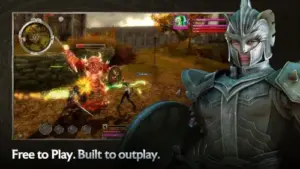
Guild Wars Reforged Tips and Tricks
Starting Guild Wars Reforged can feel different from learning a modern MMORPG. The game gives you a large selection of skills, flexible profession combinations and AI controlled companions, but it does not revolve around endlessly increasing your character’s level. The best Guild Wars Reforged beginner tips focus on understanding your build, preparing your party and learning how each mission rewards a different approach.
Instead of trying to unlock everything immediately, concentrate on building a character that works well with its available skills and companions. Once you understand the fundamentals, the game’s tactical combat becomes easier to read and you’ll have more freedom to experiment with different strategies.
Choosing Your First Profession and Secondary Class
Your first profession establishes the foundation of your character, while your secondary profession expands the skills and combinations available to you. Guild Wars Reforged features ten professions and its dual class system allows players to explore combinations rather than being locked into a single narrow role.
For your first character, choose a profession whose general playstyle appeals to you. Think about whether you prefer dealing damage, supporting teammates, controlling enemies, or combining several tactical functions. Your secondary profession can then add skills that complement that approach or help cover a weakness.
Choose for Playstyle, Not Just Popularity
A build that looks powerful in a community discussion may not be the best starting point if you don’t understand how its skills work together. Begin with a style you enjoy, learn what your primary profession does well and experiment with secondary profession options as you gain access to more skills.
You do not need to discover the perfect combination immediately. The real advantage of Guild Wars Reforged’s dual class system is the freedom to test different ideas and learn how profession choices change combat.
Building Skill Bars Around a Clear Strategy
Every character has an eight-skill bar, so choosing abilities is one of the most important decisions you’ll make before entering a mission. With such a large skill pool, it can be tempting to select whichever abilities appear strongest individually. However, a collection of powerful skills does not automatically create an effective build.
Start by deciding what you want your character to accomplish. Then choose skills that support that goal and provide useful options when the situation changes. Consider whether your bar has a sensible balance of offensive abilities, defensive tools and utility for the content you’re attempting.
Make Every Skill Slot Count
Because you can equip only eight skills at once, each selection involves a trade-off. Bringing several abilities that perform nearly identical functions may leave you without a useful response to a dangerous enemy or an unexpected encounter.
After completing a mission, consider whether each skill contributed meaningfully. If an ability rarely helped, replace it with something that fills a gap in your strategy. This simple habit makes build improvement more deliberate and helps you understand why some combinations perform better than others.
Prioritizing Skill Synergy Over Individual Power
Skill synergy is the difference between a collection of useful abilities and a build that functions as a coordinated system. In Guild Wars Reforged, skills should complement one another, support the character’s role and work with the rest of the party.
When comparing two abilities, don’t judge them solely by their individual damage or apparent strength. Ask how each one fits into your overall plan. A skill that strengthens another ability, supports your party, or gives you an answer to a particular threat may be more valuable than an impressive attack that doesn’t fit your strategy.
Think About the Entire Party
Your character’s skill bar is only one part of the combat setup. Heroes and henchmen also contribute abilities and their choices can either strengthen your approach or leave important weaknesses uncovered. If your own character already handles a particular task well, consider giving your companions complementary responsibilities.
This is one of the most useful habits for players learning how to build an effective Guild Wars Reforged party. Look at the team’s combined capabilities rather than evaluating every character in isolation.
Experimenting With Different Builds Before Settling on One
Don’t treat your first skill bar as a permanent decision. Guild Wars Reforged is designed around experimentation and different missions can reward different combinations of abilities. A setup that works well against one group of enemies may be less effective in another encounter.
Try changing a few skills at a time instead of rebuilding everything after every difficult fight. That makes it easier to understand which changes improve your results. If a new combination works, identify why it helps; if it doesn’t, return to your previous setup and test another option.
Use Difficult Missions as Learning Opportunities
A failed attempt can reveal a weakness in your build, party composition, or understanding of the objective. Perhaps the team lacks sufficient support, your skill bar has too much overlap, or a particular enemy is causing repeated problems.
Rather than assuming you simply need more levels or better equipment, use the encounter as feedback. Learning to diagnose problems and make focused changes is a more reliable long term strategy than copying a build without understanding it.
Using Heroes to Strengthen Your Party
AI heroes are particularly valuable when you want more control over your party or prefer not to depend on human teammates for every mission. Unlike relying solely on fixed henchmen, customizable heroes allow you to tailor skills and roles to your own character and the content ahead.
Before entering a challenging area, examine what your character already contributes. If your build focuses on damage, consider whether the team needs additional support or defensive options. If your character helps the party survive, make sure the rest of the team can still deal with enemies efficiently.
Build a Team That Covers Its Weaknesses
A party doesn’t become balanced simply because it contains several characters. Its members need to bring useful, complementary capabilities. Giving every hero a similar offensive setup may leave the group vulnerable, while too much overlap in support can limit its ability to finish encounters quickly.
Experiment with hero skills between missions and pay attention to the results. The goal is to develop a flexible team that can respond to different challenges, not to find one lineup that must work everywhere.
Adjusting Hero Skills for Different Missions
One of the most useful Guild Wars Reforged tips for solo players is to adjust hero builds when a mission demands a different approach. A team that performs well in one explorable area may struggle in a mission with more dangerous enemies or different objectives.
Before changing skills, identify the problem. If the party struggles to survive, review its defensive and support options. If fights take too long, look at whether the team has enough effective damage. If one enemy type repeatedly causes trouble, consider whether the current skills offer a suitable response.
Make Small Changes and Test the Results
Changing every hero’s entire skill bar at once makes it difficult to identify what improved the party. Instead, adjust the most relevant skills and try the encounter again. This approach helps you learn how individual abilities contribute to the team’s performance.
Over time, you’ll develop a better sense of when a familiar build is sufficient and when a mission requires a specialized setup. That knowledge makes AI companions more effective and reduces the need to rely on trial and error without a clear plan.
Reading Mission Objectives Before Entering an Instance
Before leaving a town or outpost, take time to understand what the mission requires. Guild Wars Reforged includes objectives that go beyond simply defeating every enemy in sight. Knowing the goal helps you decide how to approach the area, which skills to bring and whether your party needs any adjustments.
Fighting unnecessary enemies can waste time or expose your team to avoidable danger. In some situations, completing the objective efficiently is more important than clearing every opponent along the way.
Match Your Strategy to the Mission
If the objective requires reaching a location or completing a particular task, focus your approach around that requirement. If the encounter involves difficult enemies, consider whether your party has the support and offensive tools needed to handle them.
This habit is especially helpful for beginners because it turns each mission into a problem you can prepare for rather than an unpredictable fight. Read the objective, check your team and make adjustments before committing to the encounter.
Learning When to Play Solo and When to Join a Party
Guild Wars Reforged gives you options for both independent play and cooperative adventures. AI heroes and henchmen make it possible to tackle PvE content without always finding a full group, while human parties provide opportunities for communication, shared strategy and social interaction.
Solo play is useful when you want to experiment with builds, progress at your own pace or play during a quiet period. Grouping with other players can be rewarding when you want a more collaborative experience or need teammates for the content you’re attempting.
Choose the Approach That Fits the Challenge
Don’t assume that every mission is best completed alone, or that every activity requires a full group of human players. Consider the difficulty, your current build, the quality of your AI party and whether other players could improve the experience.
As you become more comfortable with the game, switching between solo and cooperative play can help you enjoy more of what Guild Wars Reforged offers. Both approaches fit naturally into its combination of social hubs and instanced adventures.
Farming Specific Items More Efficiently
Farming becomes more useful when you have a clear target. Instead of repeatedly completing random content, decide which item or reward you want and focus on activities relevant to that goal. This makes it easier to evaluate whether the time you spend farming is helping your character or simply repeating familiar encounters.
Before starting, consider whether the reward supports your current build or a longer term collection goal. Check reliable community resources if you need to identify a suitable source and avoid assuming that older farming advice or market prices are still accurate.
Balance Farming With Other Progression Goals
A targeted farming session can be satisfying, but it shouldn’t automatically replace every other activity. Completing campaigns, unlocking skills, experimenting with builds and improving hero teams can all contribute to long term progress.
If a particular item proves difficult to obtain, decide whether it is essential for your current goal or simply something you’d like to collect. This helps you spend your time more intentionally and prevents farming from becoming repetitive without a clear purpose.
Understanding the Level Cap and Equipment Progression
Guild Wars Reforged has a maximum character level of 20 and its progression system places considerable emphasis on skills and build customization. Once you reach the cap, improving your character is not simply a matter of gaining more levels. Unlocking useful skills, adjusting your profession combination and building a stronger party remain important.
Max stat equipment is relatively accessible compared with the gear progression found in many modern MMORPGs. This means you don’t need to treat every new item as an essential upgrade. Equipment matters, but it is only one part of an effective character.
Invest in Knowledge as Well as Equipment
If a mission feels difficult, review your skill bar and party setup before assuming that your gear is the problem. Better equipment may help in some situations, but it cannot replace the need for suitable skills and a coordinated team.
Understanding this early makes Guild Wars Reforged less confusing for newcomers. Progress comes from developing your options and learning how to use them, not from chasing an ever higher character level.
Joining a Guild and Finding Experienced Players
Guilds and community spaces can make learning Guild Wars Reforged easier. Experienced players may be able to explain profession combinations, suggest ways to improve a hero team or help you understand the demands of a difficult mission. Social hubs also provide opportunities to find people interested in cooperative activities.
For advice, start with the Steam Community, Reddit discussions and established player-created guides. Look for explanations that describe why a build works, not just a list of skills to copy. Detailed reasoning will help you adapt recommendations to your own character and available skills.
Learn From Other Players Without Following Every Build Blindly
Community advice is most useful when you understand the situation it was written for. A build designed for a particular mission or experienced player may not suit your current progression. Ask questions, compare approaches and test suggestions instead of assuming that one setup is the universal answer.
With time, you’ll build your own understanding of the game’s systems and become more confident in making decisions. That combination of community knowledge and personal experimentation is one of the best ways to improve in Guild Wars Reforged.
Guild Wars Reforged PvE, PvP and Endgame Activities
Guild Wars Reforged offers more than its main campaign story. Its combination of PvE missions, explorable areas, Hard Mode, PvP, farming and seasonal events gives players several ways to spend time after learning the basics. The variety matters because the game does not rely on a constantly rising level cap to define progress; instead, players can pursue different challenges and refine their builds for each activity.
Campaign Missions and Story Progression
The three included campaigns Prophecies, Factions and Nightfall form the backbone of Guild Wars Reforged’s PvE experience. Their missions and quests provide structured goals, introduce different environments and give players opportunities to develop their characters as they move through the story.
Campaign progression also helps players learn the game’s combat systems in context. New encounters encourage experimentation with skills, profession combinations and party setups. As the challenges change, players have reasons to adjust their approach instead of relying on the same tactics in every situation.
Why Campaign Completion Is Only One Goal
Finishing a campaign is a significant milestone, but it doesn’t have to mark the end of your adventure. Players can pursue additional quests, explore areas they previously skipped, unlock more skills and revisit supported content with different builds.
Because the three campaigns are included together, Guild Wars Reforged provides a substantial collection of adventures for players who enjoy story-driven progression without a monthly subscription.
Exploring Areas Outside Towns and Outposts
Explorable areas provide space to travel through the game world, fight enemies, complete quests and pursue optional objectives. Unlike towns and outposts, which serve as social and preparation hubs, these areas place the party directly into the adventure.
Exploration can also help players understand the relationship between the world and the mission structure. Some activities support campaign progression, while others provide opportunities to earn rewards or engage with content beyond the immediate story objective.
Prepare Before Setting Out
Before entering an unfamiliar area, check your party and consider whether your current skills are suitable for the likely challenges. If you’re using AI heroes, make sure their abilities complement your character and cover the team’s most important needs.
This preparation is particularly useful when exploring without human teammates. A well configured party gives you more flexibility to handle unexpected encounters and reduces the risk of discovering too late that your skill bar is poorly suited to the area.
Hard Mode Maps and Mission Challenges
Hard Mode provides more demanding versions of supported content, giving experienced players a reason to return to maps and missions they already know. The increased challenge makes party preparation more important and can expose weaknesses that were less noticeable during ordinary campaign progression.
Rather than relying on the same setup automatically, players may need to refine their skills and adjust their heroes to deal with tougher encounters. Hard Mode therefore reinforces one of Guild Wars Reforged’s central ideas: a strong build is one that suits the challenge, not simply one that looks powerful on paper.
Turn Familiar Missions Into Tactical Tests
Revisiting content at a higher difficulty can be an effective way to test your understanding of the game. If your party struggles, identify whether it needs better survival, more effective damage, or a different balance of utility skills.
This approach makes difficulty a learning opportunity. Instead of viewing a failed attempt as wasted time, use it to identify a weakness and test a focused adjustment.
Cooperative Party Content for Four to Eight Players
Guild Wars Reforged supports cooperative content for parties of different sizes, including missions designed for groups of up to eight characters. Players can work with friends, guildmates, or other adventurers to complete objectives and tackle encounters together.
Group play introduces opportunities for coordination that are different from relying on AI companions. Human teammates can discuss strategies, adjust their builds and respond to changing situations together. The experience can be particularly satisfying when each character contributes a distinct role to the party.
Coordination Matters More Than Simply Adding Players
A larger party is not automatically an effective one. Players still need to consider skill synergy, the mission objective and the combined capabilities of the group. If several characters bring similar abilities while important support or defensive tools are missing, the team may struggle despite having enough members.
Before a difficult mission, communicate about the objective and consider how each character fits into the plan. That preparation can make cooperative content smoother and help players understand why team composition remains central to Guild Wars Reforged.
Building Teams for Tactical PvE Encounters
PvE encounters reward teams that can respond to the demands of a particular mission. A useful party should have a coherent strategy, with characters whose skills complement one another rather than duplicate the same function unnecessarily.
For players using heroes, this means adjusting AI skill bars before difficult missions. For human groups, it means considering how each player’s build contributes to the shared objective. Either way, the most effective setup depends on the encounter rather than a universal template.
Diagnose Problems Before Rebuilding the Team
If a team repeatedly struggles, identify what is going wrong. Frequent defeats may point to insufficient defensive support, while slow fights may indicate that the party needs a more effective damage strategy. A mission objective that remains difficult may require a different tactical approach altogether.
Making targeted changes is usually more informative than replacing every skill at once. By testing adjustments and observing the result, players can develop a better understanding of what makes a party effective in Guild Wars Reforged.
PvP Combat and Competitive Team Strategies
Player-versus-player combat offers a different challenge from fighting AI enemies. Human opponents can adapt to a team’s strategy, exploit weaknesses and make decisions that require players to think beyond familiar PvE patterns. This makes build selection and tactical awareness especially important.
The eight-skill bar remains central to PvP. Players must choose abilities that work together while considering how their opponents may respond. A build that performs well in a campaign mission may need changes for competitive play, where the opposing team can actively counter its approach.
Learn Your Build and Understand Its Weaknesses
Competitive players benefit from knowing not only what their skills accomplish but also what their build struggles against. Recognizing limitations helps players make better decisions during a match and identify changes that may improve their setup.
PvP also gives the game’s profession and skill systems a different kind of longevity. Rather than repeating the same encounters against AI, players can test their knowledge against other people using their own tactical combinations.
Farming Rare Items and Pursuing Long Term Goals
Farming gives players a way to pursue specific items and rewards beyond the immediate needs of campaign progression. Rather than treating every activity as a general source of loot, players can set a clear target and focus on content relevant to that goal.
The most useful farming plan begins with knowing why you want the reward. It might support a particular build, contribute to a collection, or simply provide a personal objective. A defined goal helps you judge whether the time spent farming is worthwhile.
Combine Farming With Build Development
Obtaining an item can be satisfying, but it is not the only way to improve a character. Unlocking useful skills, adjusting hero builds and learning how to handle difficult missions can all contribute to long term effectiveness.
For that reason, farming works best as one part of a broader plan. Pursue rewards that matter to your goals, use current community information when researching item sources and avoid assuming that every rare drop is essential for successful play.
Holiday Events and Additional Activities
Holiday events add seasonal activities to Guild Wars Reforged’s broader collection of content. They provide a change of pace from campaign missions and can give returning players another reason to revisit the game world.
These activities complement the main progression systems rather than replacing them. Players can continue working through a campaign, spend time exploring, or participate in seasonal content depending on their interests and the activities available at that time.
A Reason to Return Throughout the Year
Seasonal events can be particularly appealing to veterans who have already completed much of the main story. They offer an alternative to regular missions and create opportunities to meet other players in social spaces.
For newer players, they can add variety to the experience, although the main campaigns remain a strong starting point for understanding the game’s systems and world.
What Can Players Do After Completing the Campaigns?
Completing the three campaigns does not mean Guild Wars Reforged has nothing left to offer. Players can explore additional areas, finish quests, unlock skills, refine character builds, customize hero teams and pursue targeted farming goals. Hard Mode also provides tougher versions of supported content for those who want to test their preparation and tactical knowledge.
PvP gives players another direction to explore, particularly if they enjoy competing against human opponents. Others may prefer to work on a collection, improve a familiar build or help newer players through missions. The game’s horizontal progression supports these different goals without requiring everyone to follow the same endgame route.
Choose Endgame Goals That Match Your Playstyle
There is no single activity that defines the endgame for every player. Some will enjoy challenging PvE encounters, others will focus on competitive play and some will prefer the steady process of unlocking skills and refining party builds.
This flexibility is a major strength of Guild Wars Reforged. The level cap remains at 20, but the number of ways to experiment with skills, professions and team strategies gives players room to keep improving long after the main story is complete.
Guild Wars Reforged Similar Games
Guild Wars Reforged occupies a distinctive position among online RPGs. Its instanced missions, eight skill bar, dual class system and customizable AI heroes create an experience centered on tactical preparation rather than continuous open world exploration. Comparing it with other popular MMORPGs and action RPGs helps clarify which players are most likely to enjoy its approach.
Guild Wars Reforged vs. Guild Wars 2
Although they share a name and setting, Guild Wars Reforged and Guild Wars 2 offer noticeably different experiences. Reforged preserves the original Guild Wars structure, with social towns and outposts leading into instanced missions and explorable areas. Guild Wars 2, by contrast, is known for its more open world MMORPG design and action oriented combat.
Their progression systems also differ. Guild Wars Reforged has a level cap of 20 and places substantial emphasis on skills, profession combinations and horizontal development. Guild Wars 2 uses a different character progression model and offers its own approach to exploration, combat and expansion content.
Which Guild Wars Experience Fits You?
Choose Guild Wars Reforged if you prefer compact skill bars, tactical party building, AI hero customization and focused instanced adventures. It is particularly appealing if you enjoy planning your build before a mission and adjusting it to meet a specific challenge.
Guild Wars 2 is a better fit if you want a more modern open world experience with its own action combat and exploration systems. Neither game is simply a replacement for the other; they represent different directions within the same broader franchise.
Guild Wars Reforged vs. Diablo IV
Diablo IV shares some appeal with Guild Wars Reforged for players who enjoy character customization, equipment hunting and challenging encounters. However, it is an action RPG built around a different combat rhythm and progression structure. Guild Wars Reforged emphasizes a limited skill bar, party composition and tactical cooperation, while Diablo IV places greater emphasis on direct action combat and its own loot-driven character development.
The difference becomes clear during combat. Guild Wars Reforged asks players to coordinate skills across a team and prepare for instanced missions. Diablo IV centers more directly on controlling a character through action focused encounters and developing a build within its action RPG systems.
Tactical Party Planning or Action Focused Combat?
Guild Wars Reforged is the stronger fit for players who enjoy coordinating AI heroes or human teammates and carefully selecting eight skills for an encounter. Diablo IV is more suitable for players who want a modern action RPG built around direct combat, loot and its own progression systems.
Both can appeal to people who enjoy refining a character, but the moment to moment experience is different. The choice depends on whether you prefer tactical party decisions or a more immediate action-combat loop.
Guild Wars Reforged vs. Path of Exile
Path of Exile is known for extensive character customization and a complex build system, making it a useful comparison for players interested in deep RPG theorycrafting. Guild Wars Reforged also offers substantial build variety, but its tactical identity comes from the dual class system, a limited eight skill bar and the interaction between party members.
Path of Exile is an action RPG with its own gear and character progression structure. Guild Wars Reforged focuses more on preparing a party for instanced missions and making abilities work together during combat. Both reward experimentation, but they approach that depth in different ways.
Two Different Forms of Build Complexity
Players who enjoy exploring character builds in Path of Exile may appreciate the freedom to test professions and skill combinations in Guild Wars Reforged. The key difference is that Guild Wars also asks players to consider how their character fits into a larger team, including the skills used by AI heroes.
Choose Guild Wars Reforged if party strategy and tactical encounters are central to what you enjoy. Path of Exile is a better match if you prefer an action RPG with its own extensive build customization and loot-focused progression.
Guild Wars Reforged vs. Final Fantasy XIV
Final Fantasy XIV offers a more traditional modern MMORPG experience, with a large online world, story driven progression and a class and job system built around its own combat design. Guild Wars Reforged has a more focused structure, separating social hubs from instanced missions and emphasizing skill selection and party customization.
The games also approach progression differently. Guild Wars Reforged caps characters at level 20 and places significant weight on horizontal development through skills and builds. Final Fantasy XIV follows a different progression model tied to its main scenario, jobs and expansions.
Which Game Suits Your Preferred MMO Structure?
Final Fantasy XIV may appeal more to players looking for a modern MMO with an ongoing story, a broad shared world experience and a traditional job based progression system. Guild Wars Reforged is more suitable for those who want a classic MMO structure with tactical skill bar combat and greater control over AI party composition.
The distinction is not simply about age or graphics. The two games organize combat, progression and multiplayer experiences differently, so the best choice depends on which systems you find engaging.
Tactical Skill Bar Combat vs. Modern Action RPG Combat
One of the most important differences between Guild Wars Reforged and many modern action RPGs is the way combat is organized. Guild Wars Reforged limits each character to eight equipped skills, making preparation and skill synergy central to success. Players must decide which abilities deserve a place on the bar before entering an encounter.
Action RPGs such as Diablo IV and Path of Exile emphasize a different style of play, with direct character control and their own systems for developing combat abilities. They can still offer complex builds, but the emphasis is less specifically tied to coordinating a compact skill bar across a party of AI companions or human players.
The Appeal of Deliberate Combat Decisions
Guild Wars Reforged rewards players who enjoy planning. Choosing skills, configuring heroes,and adapting to mission objectives are all part of the challenge. A successful encounter often reflects the quality of the preparation as much as the execution.
Action RPG combat may be more appealing if you prefer a more immediate, character-focused experience. Guild Wars Reforged is worth considering if you enjoy thinking about how each skill contributes to a team and how a small number of carefully selected abilities can change the outcome of a mission.
Conclusion
Guild Wars Reforged brings the original Guild Wars experience to modern hardware without losing sight of what made it distinctive. By combining Prophecies, Factions and Nightfall in one no-subscription package, it offers a substantial collection of fantasy adventures supported by tactical combat, extensive character customization and a flexible party system.
Its modernization is practical rather than transformative. Controller support, Steam Deck verification, clearer interface elements, higher resolution support and rendering improvements make the game more accessible, but the original character models and mission based structure remain recognizable. Players should approach it as a refreshed classic, not a complete remake with new story content.
Guild Wars Reforged FAQ
Where can I get Guild Wars Reforged download links for PC and Android?
For Guild Wars Reforged download, use the official sources to find the version that suits your device. PC players can get it through Steam, while Android users can download Guild Wars Reforged from the Official Google Play Store. Check the platform requirements and account options before installing. These are separate platform listings, so make sure you choose the correct version for your device.
Does Guild Wars Reforged require a monthly subscription?
No. Guild Wars Reforged does not require a monthly subscription. The main package includes Prophecies, Factions and Nightfall, while additional content such as Eye of the North is sold separately. For confirmed purchase details, account information and installation help, visit the official Guild Wars support FAQ.
Can you play Guild Wars Reforged solo or do you need other players?
You can enjoy much of Guild Wars Reforged solo by building a party with AI controlled henchmen and customizable heroes. This makes it possible to tackle missions and explore the campaigns without always depending on a group of other players. However, joining the community can help with difficult missions, PvP and learning more advanced character builds.