Sengoku Fubu it positions itself as a time driven conquest simulator set against the dramatic backdrop of feudal Japan.
Developed by BEKKO GAMES, Sengoku Fubu delivers a real time strategy experience that blends hero collection, castle warfare, diplomacy, and tactical territorial expansion. It’s a title that leans heavily into historical flavor while layering modern mobile mechanics such as officer synergies, resource optimization, and clan based warfare. Instead of relying purely on familiar RTS loops, the game introduces a fascinating temporal twist that reshapes pacing, planning, and long-term decision making.
What Is Sengoku Fubu?
Sengoku Fubu is a Sengoku era real time strategy game centered on conquest, alliances, and calculated expansion. The setting draws from Japan’s historical unification conflicts, a period defined by political instability, military campaigns, and legendary warlords.
Players step into the role of a regional lord, tasked with growing power, assembling armies, and competing for territorial dominance. What immediately distinguishes the game is its unique time mechanic, where one real world hour equals one in-game year. This clever system subtly transforms progression, strategic timing, and campaign planning.
Rather than endless skirmishes alone, the core objective revolves around a castle conquest and occupation system, emphasizing territorial control over simple combat victories. Sengoku Fubu is available on Android and iOS, operates under a free to play model, and strongly encourages clan based cooperation and diplomacy.
Sengoku Fubu Features:
Hero Recruitment & Officer Teams
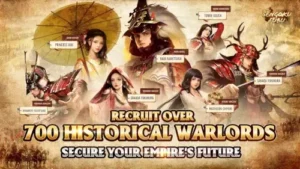
At the heart of Sengoku Fubu lies a vast roster of 150+ historical heroes, including iconic figures like Oda Nobunaga. Each hero brings distinct skills, tactical advantages, and synergy potential.
Success isn’t merely about collecting strong officers, it’s about building complementary teams, balancing abilities, and optimizing army compositions. Strategic pairing and skill synergy become critical layers of depth.
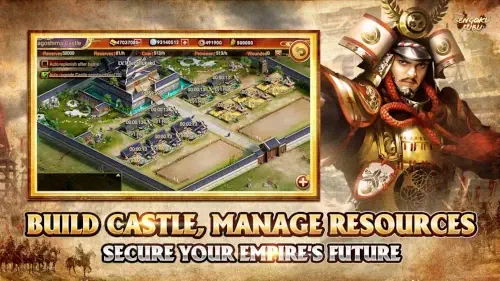
Castle Development & Economy
Economic management fuels military strength. Players develop infrastructure through familiar yet meaningful systems:
-
Farms → Provisions
-
Huts → Troops
-
Markets → Coins
The challenge lies in balancing base development versus territorial expansion, forcing players to constantly weigh growth, defense, and offensive potential.
Strategic Warfare & Expansion
Territorial control defines progression. Castle conquest mechanics reward calculated aggression, while the occupation system introduces temporary boosts and periodic resets, preventing stagnation.
Additionally, resource protection systems add defensive considerations, ensuring expansion remains both rewarding and risky.
Strategems & Tactical Buffs
Strategems function as tactical accelerators and situational advantages:
-
Forced marches
-
Fast deployments
-
Consumable battle boosts
These mechanics deepen moment-to-moment decisions, enabling players to influence outcomes beyond raw unit strength.
Clan (Dipl) Systems
Multiplayer cooperation plays a central role. Clan systems enable:
-
Reinforcements
-
Coordinated warfare
-
Resource support
-
Alliance strategies
Victory often depends on diplomacy, coordination, and collective action rather than isolated power.
Sengoku Fubu Graphics, Art Style & Visual Identity
Sengoku Fubu stands out visually through its authentic Ukiyo-e inspired aesthetic. The art direction embraces historical tones, traditional textures, and era-appropriate design elements.
From city layouts to hero portraits, the game emphasizes historical atmosphere while maintaining modern interface clarity. Battlefield animations, while stylized, reinforce the RTS identity without overwhelming visual noise.
Overall, the presentation succeeds in creating a distinctive feudal Japan ambiance, elevating immersion beyond generic strategy visuals.
Sengoku Fubu User Reviews & Community Feedback
Positive Reception
Players frequently praise:
-
The strong Sengoku era theme and originality
-
Deep hero strategy and officer systems
-
Engaging clan warfare dynamics
Many view the time mechanic as refreshing, adding personality to progression pacing.
Common Criticisms
However, recurring concerns include:
-
Pay to win perceptions
-
Punishing war penalties and delays
-
Frustrations with progression speed
Some players feel monetization pressures influence competitive balance.
Community consensus often frames Sengoku Fubu as a high potential RTS constrained by monetization friction. While the strategic systems and historical identity earn appreciation, economic balance remains a debated topic among players.
Sengoku Fubu Game Mechanics
Troop Training & Unit Counters
Success in Sengoku Fubu heavily depends on understanding troop types and counter relationships. Infantry, cavalry, ranged units, and specialized forces each serve distinct battlefield roles. Winning engagements is often less about raw power and more about deploying the correct counters against enemy compositions.
Hero Skill Deployment
Heroes function as strategic force multipliers. Their active and passive abilities can swing battles, enhance troop effectiveness, or provide defensive advantages. Proper hero selection, skill timing, and synergy with troop formations become critical in both PvP clashes and castle sieges.
Castle Occupation & Resets
One of the game’s defining systems is castle occupation. Control over castles grants valuable resources and territorial advantages, but periodic resets prevent permanent dominance. This mechanic keeps server politics dynamic and encourages continuous competition rather than static power hierarchies.
Strategem Usage Systems
Strategems introduce an additional tactical layer. These abilities can influence combat outcomes, accelerate development, or disrupt enemy operations. Efficient strategem usage separates experienced players from beginners, particularly during large-scale clan conflicts.
Resource Management & Defense
Like most strategy titles, economic stability drives long-term success. Balancing production, storage, and protection of resources is essential. Defensive structures, timing upgrades, and minimizing raid losses directly impact progression speed.
Clan Reinforcement Dynamics
Clan systems form the backbone of Sengoku Fubu’s multiplayer experience. Reinforcements, coordinated attacks, and shared defensive strategies create a collaborative warfare environment. Strong clan participation often determines survival in competitive servers.
Sengoku Fubu Tips & Tricks
Join a Clan Early
Early clan membership dramatically accelerates growth. Access to reinforcements, shared resources, protection, and strategic coordination offers advantages solo players struggle to replicate.
Prioritize Tenshukaku & Huts
Upgrading core buildings such as the Tenshukaku unlocks new systems and progression paths. Huts and support structures improve resource flow and development efficiency.
Balance Farms & Markets
Avoid overcommitting to a single resource type. A balanced economy ensures smoother upgrades, troop training, and defensive sustainability.
Use Strategems Efficiently
Strategems are powerful but limited. Deploy them strategically rather than impulsively, especially during key battles or high-risk expansions.
Optimize Conquest Timing
Attacking at the right moment, during weakened defenses or strategic windows, reduces losses and maximizes territorial gains.
Protect Resources During Expansion
Expansion phases increase vulnerability. Strengthening defenses and monitoring storage capacity minimizes costly raids.
Sengoku Fubu Similar Games
-
Clash of Kings
-
Last Shelter: Survival
-
Evony: The King’s Return
-
Total War: Shogun 2
-
Rise of Kingdoms
Comparison Angle
While Sengoku Fubu shares familiar mechanics with other RTS and SLG titles, it distinguishes itself through:
Historical Japanese Theme
The Sengoku era setting offers a refreshing alternative to generic medieval or post apocalyptic environments, appealing strongly to history enthusiasts.
Unique Time Based Progression
Progression systems tied to temporal cycles introduce pacing variations uncommon in traditional strategy games.
Castle Occupation Reset System
Periodic resets prevent long term stagnation, maintaining competitive balance and evolving clan rivalries.
Conclusion
Sengoku Fubu delivers a compelling blend of strategic depth, hero-driven combat, and dynamic territorial warfare wrapped in a richly themed historical setting.
Strengths
The Japanese Sengoku theme, layered hero systems, and reset-based castle mechanics create a distinct strategic experience.
Weaknesses
Pay to win concerns and pacing challenges may impact long term satisfaction for certain players.
Ideal Player Profile
Perfect for RTS fans, history lovers, and players who enjoy clan based competitive strategy.
A strategically engaging and mechanically unique title that stands out in the crowded mobile strategy genre, particularly for players seeking a historically inspired warfare experience.
FAQ
What type of game is Sengoku Fubu?
Sengoku Fubu is a strategy simulation game set in feudal Japan, where players build castles, manage resources, recruit generals, and engage in tactical warfare.
Is Sengoku Fubu free to play?
Yes, Sengoku Fubu is free to download and play. The game includes optional in-app purchases that can accelerate progression or unlock premium advantages.
Where can I download Sengoku Fubu?
Download Sengoku Fubu from Google Play Store.
Always download from the official store pages to ensure game security and updates.
Does Sengoku Fubu require an internet connection?
Yes. Sengoku Fubu is primarily an online strategy game, requiring a stable internet connection for battles, alliances, and server events.
Where can I find the official Sengoku Fubu page?
Players can visit the official Sengoku Fubu page via the developer’s website or official store listings to access updates, events, patch notes, and support.